General Description
Program Objective
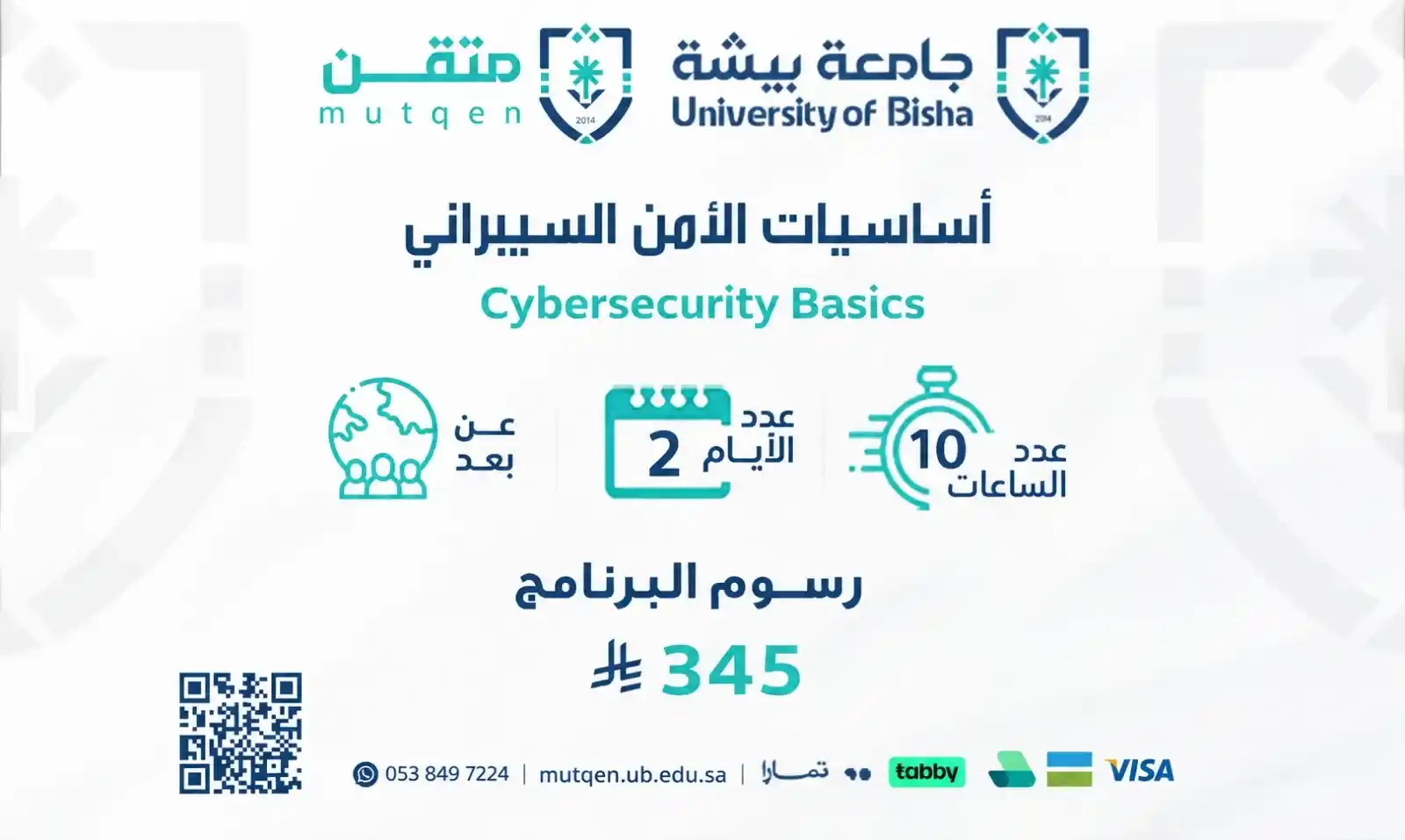
The Cybersecurity Fundamentals program aims to provide foundational knowledge on protecting systems, networks, and information from increasing cyber threats, while enhancing participants' understanding of the critical importance of cybersecurity in the modern world.
Core Learning Objectives
-
Identifying Threat Types: Familiarizing participants with various cyber threats and methods to recognize them.
-
Implementing Protective Measures: Teaching participants how to utilize essential security technologies and defense mechanisms.
-
Developing Response Plans: Establishing effective strategies for incident response and mitigation.
-
Raising Security Awareness: Promoting awareness of the vital role cybersecurity plays in daily life and business operations.
-
Learning Best Practices: Providing actionable guidelines on how to effectively safeguard sensitive information.
Program Modules
1. Introduction to Cybersecurity
-
Concepts and significance of cybersecurity.
-
The impact of cyber threats on individuals and enterprises.
2. Common Cyber Threats
-
Malware, Viruses, and Ransomware.
-
Targeted cyberattacks and Advanced Persistent Threats (APTs).
3. Essential Protection Methods
-
Encryption techniques and authentication systems.
-
Utilizing and configuring Firewalls.
4. Incident Management
-
Incident identification and classification.
-
Response and recovery procedures.
5. Identity and Network Security
-
Network security hardening techniques.
-
Importance of Identity and Access Management (IAM).
6. Legislation and Ethics
-
Cybersecurity laws, regulations, and compliance.
-
Ethical standards in the cybersecurity field.
7. Developing a Security Culture
-
Methods to enhance security awareness within organizations.
-
Continuous training programs and security testing (Phishing simulations, etc.).